


2-IN-1 Cordless Tiller & Cultivator with Extension Pole


Cordless Tiller Electric Cultivator

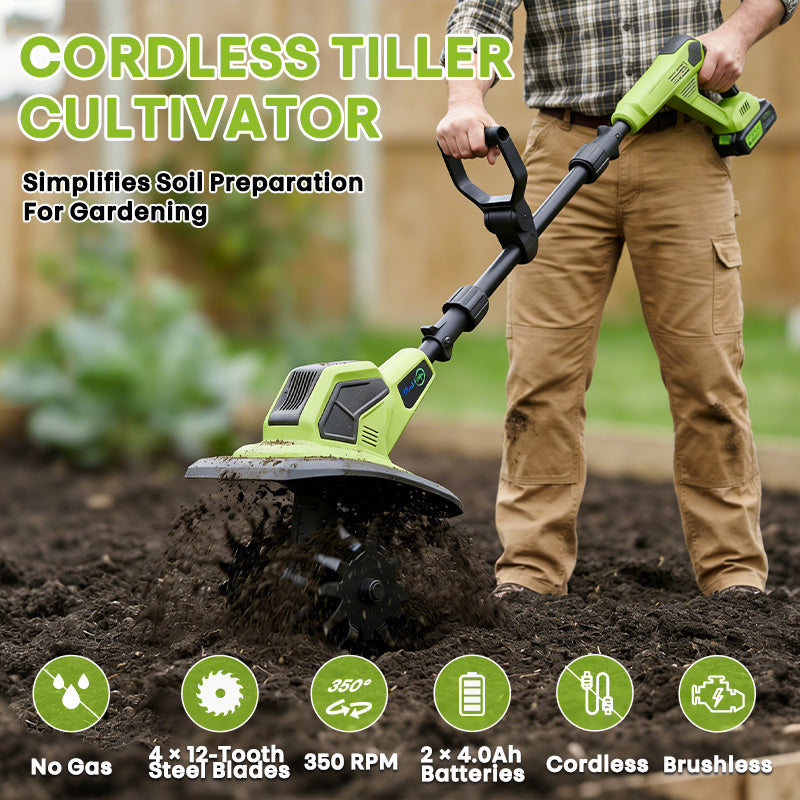
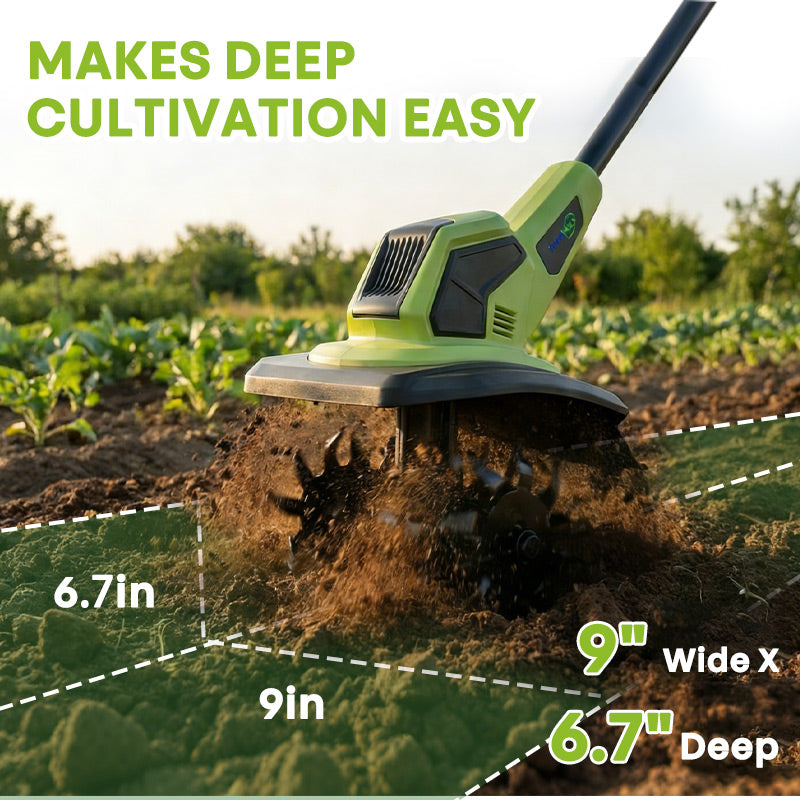
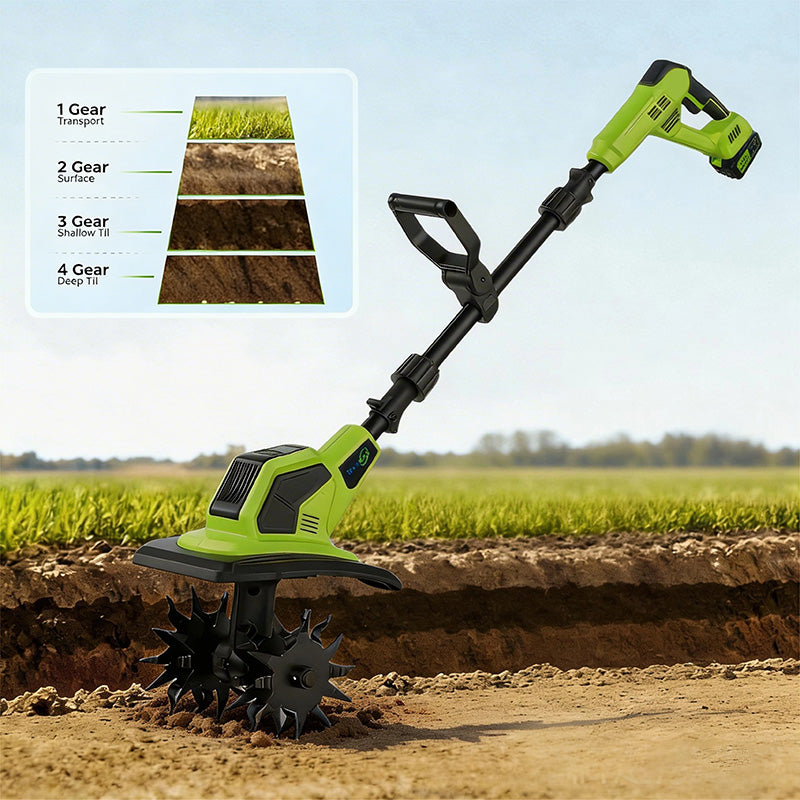
350RPM Cordless Tiller Cultivator for Lawn/Gardening/Soil Cultivation
Cordless Rotary Tillers Accessories
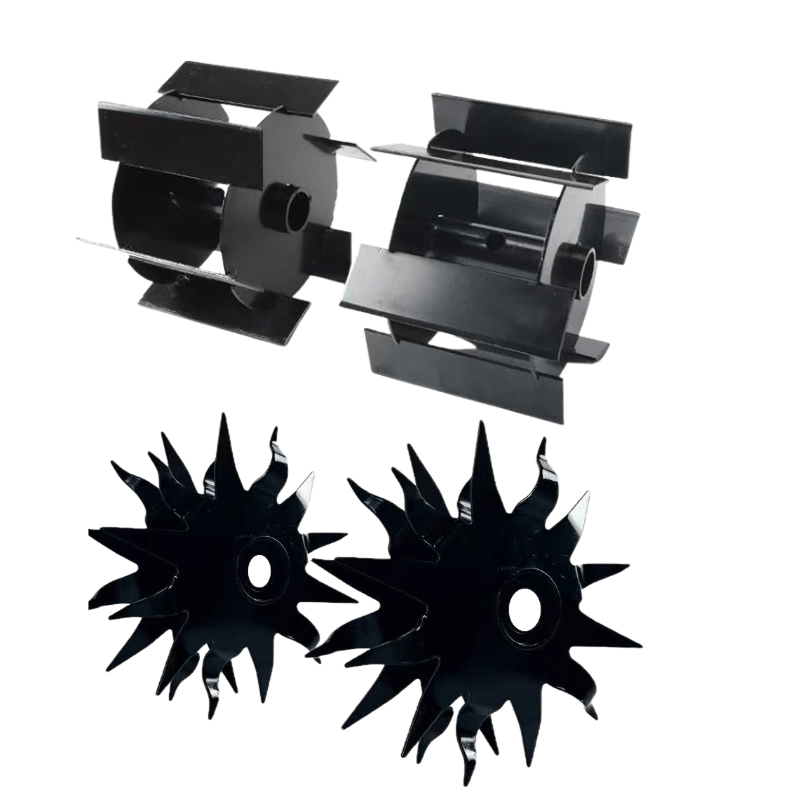
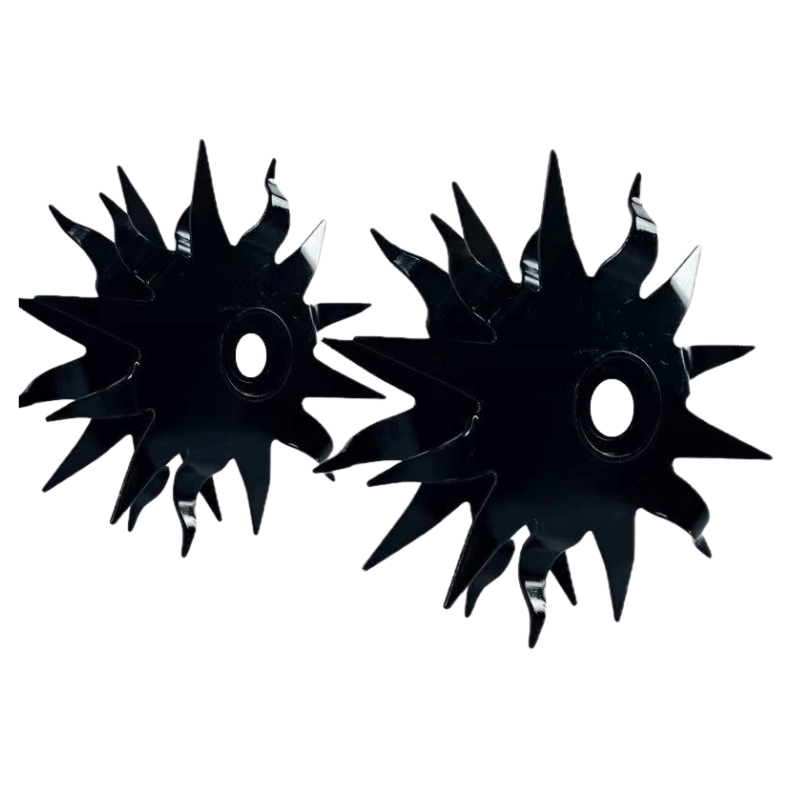
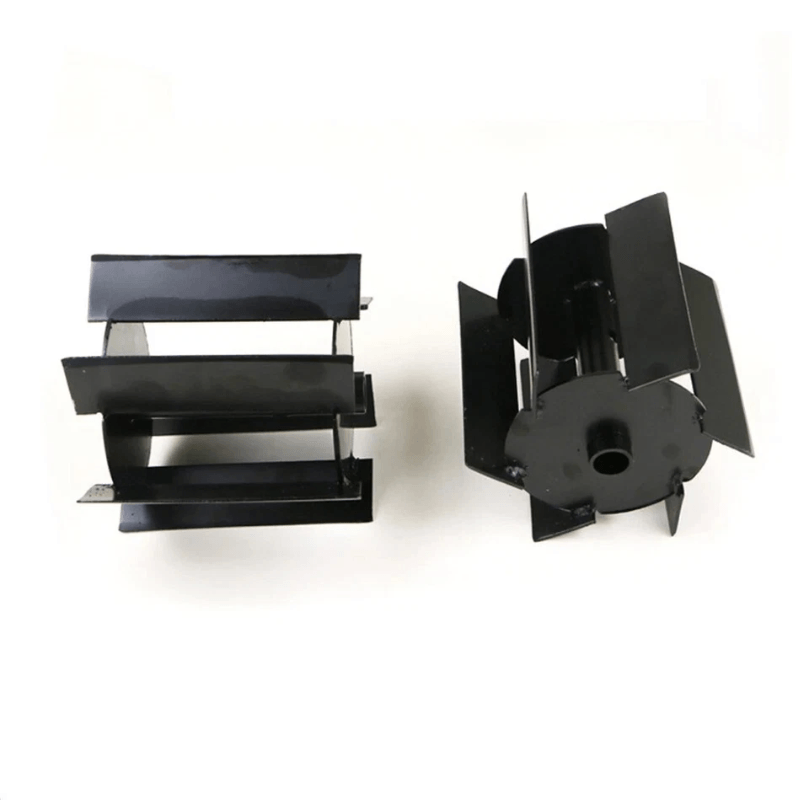
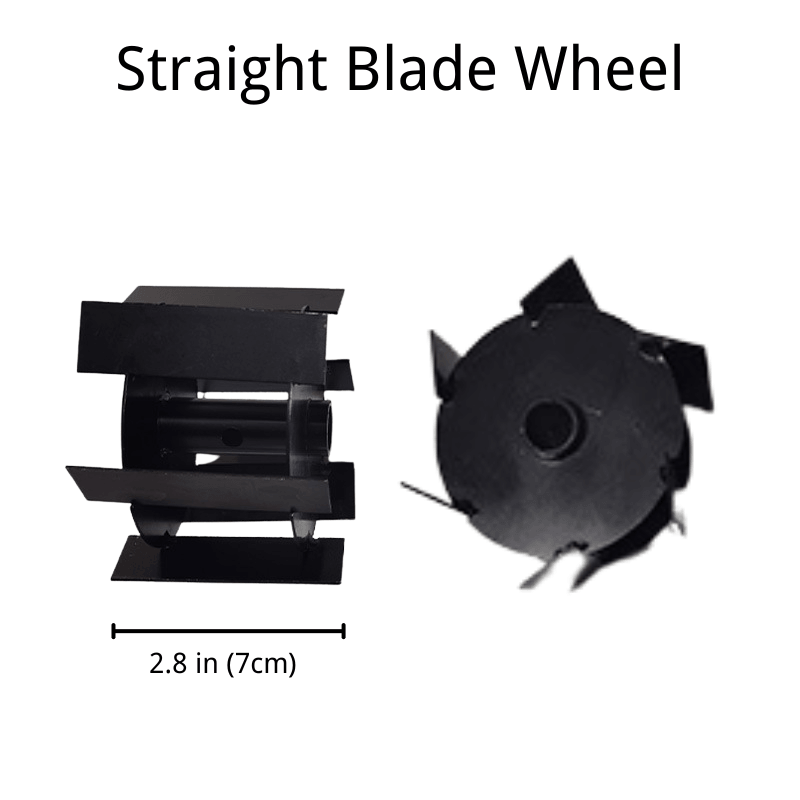
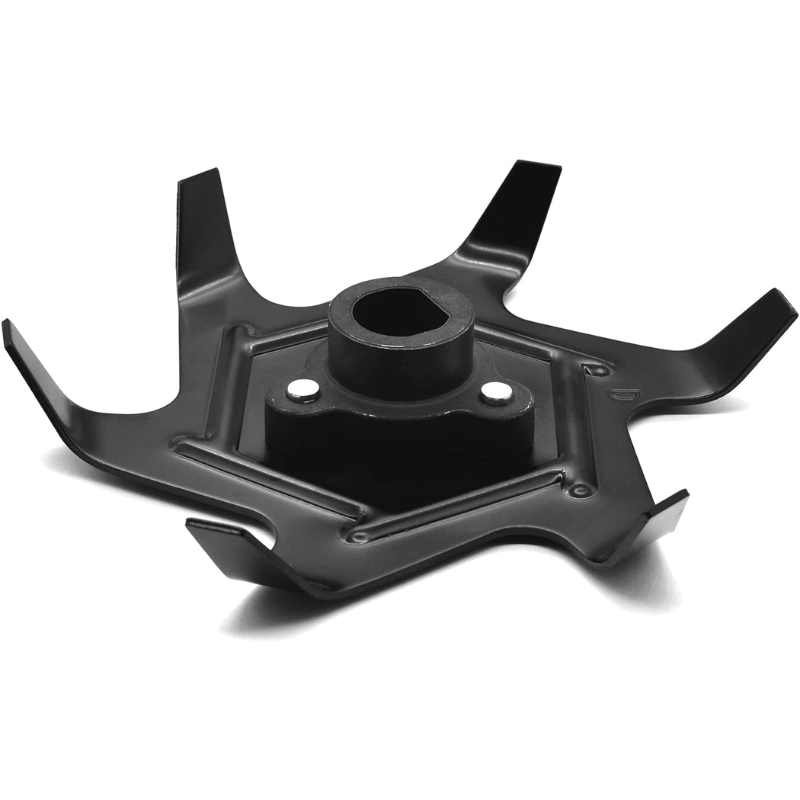
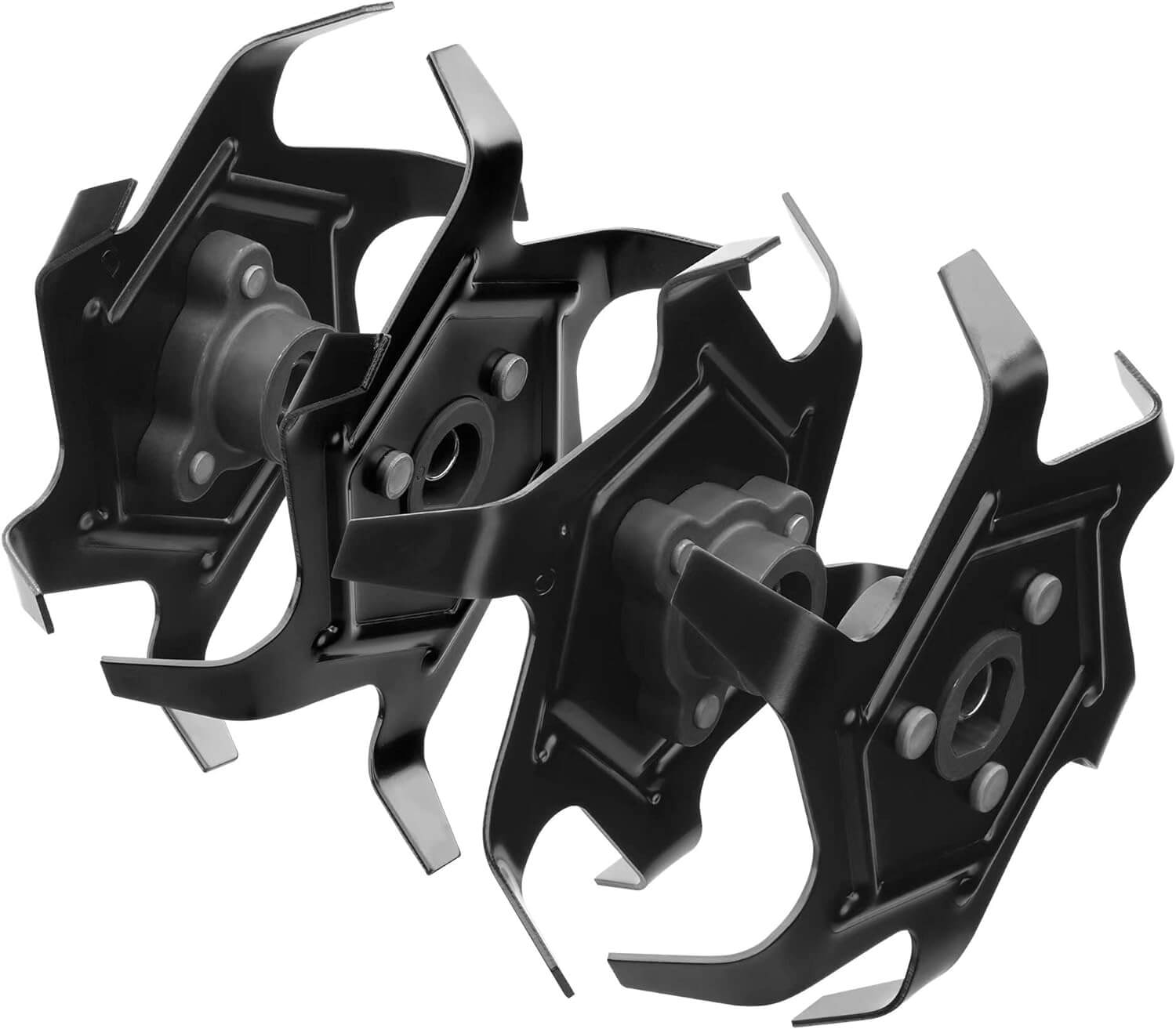
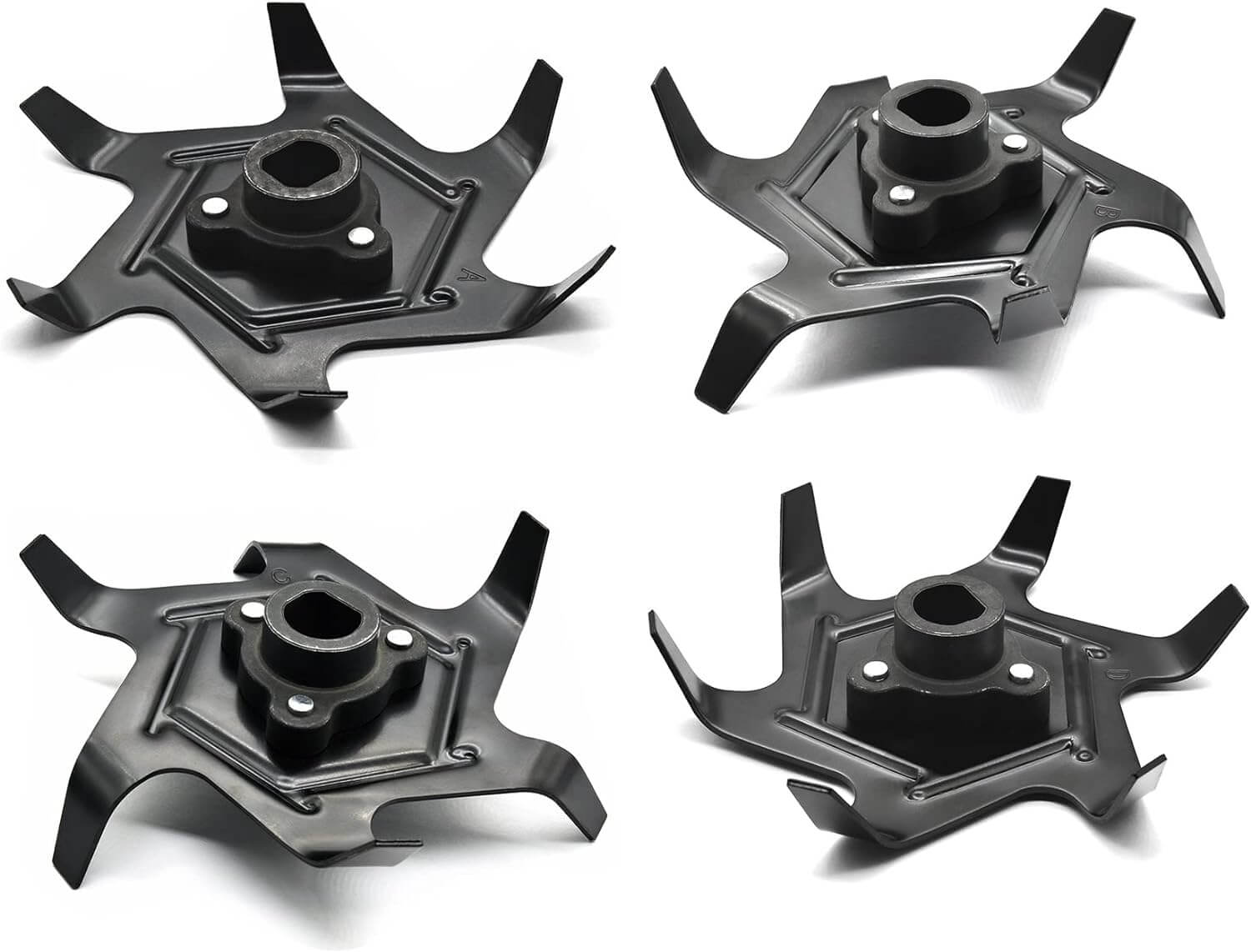
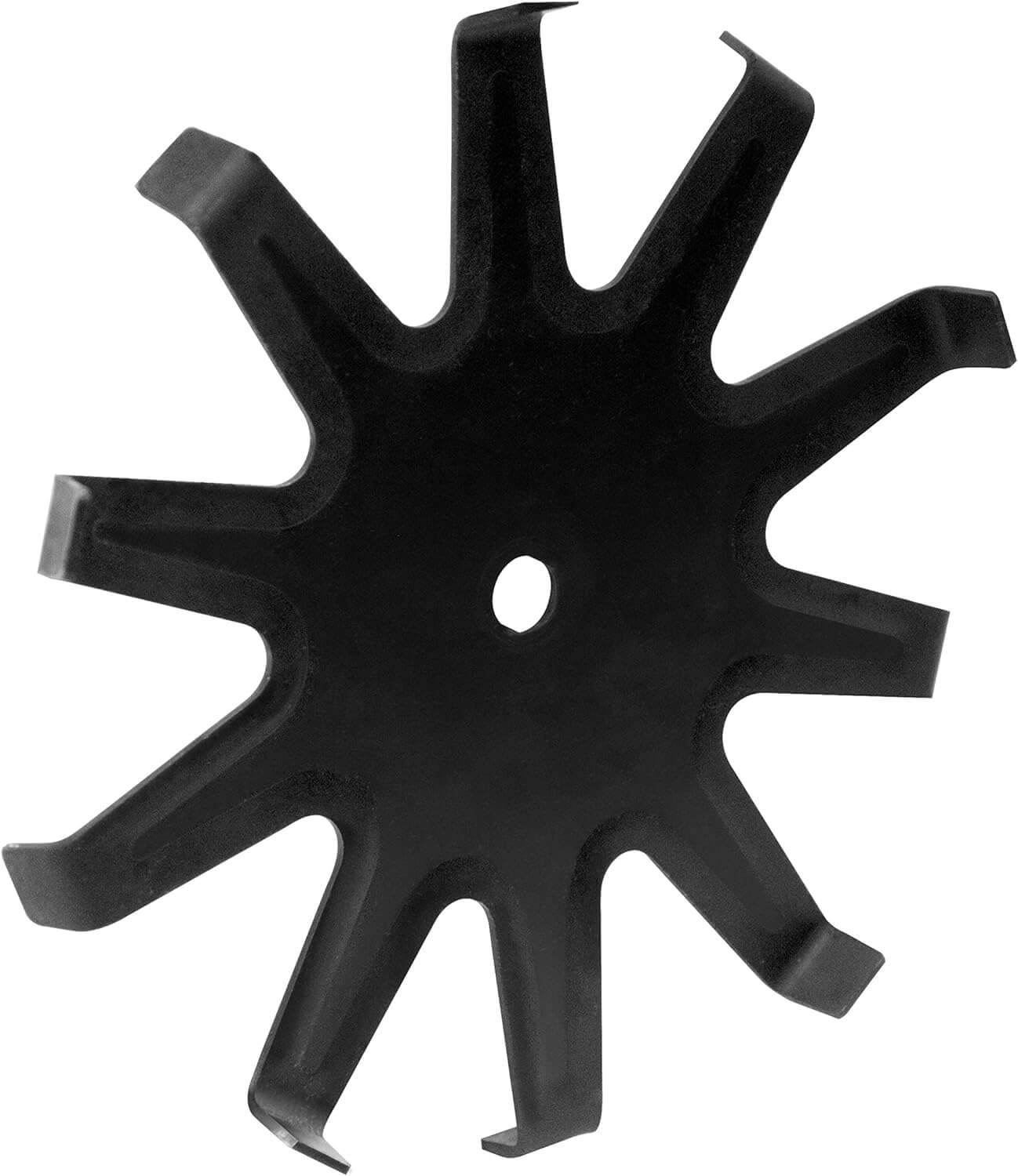
Tiller Replacement Blades Set for 350RPM Cordless Tiller Cultivator
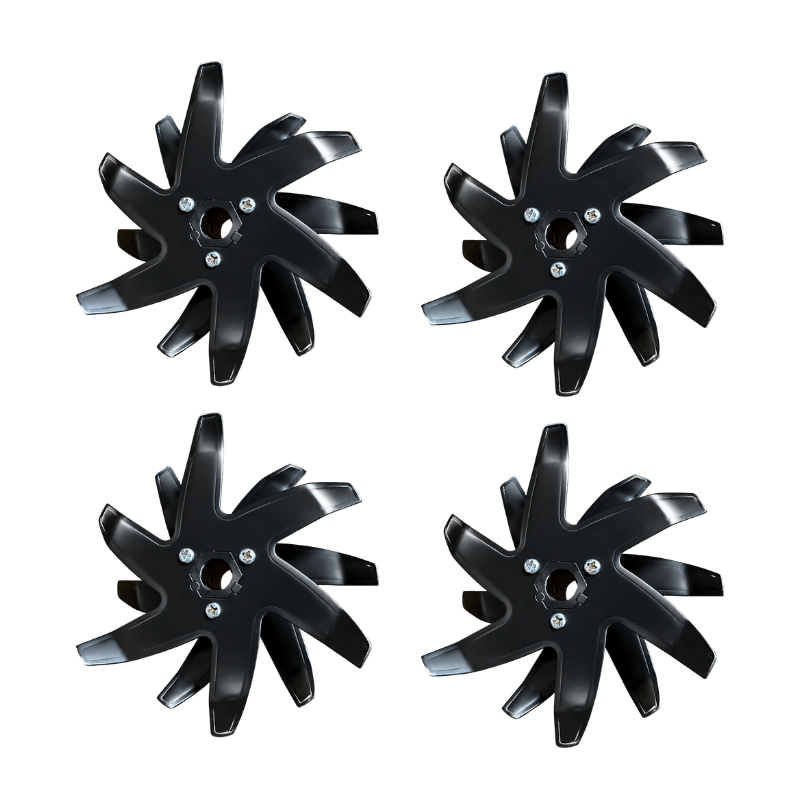

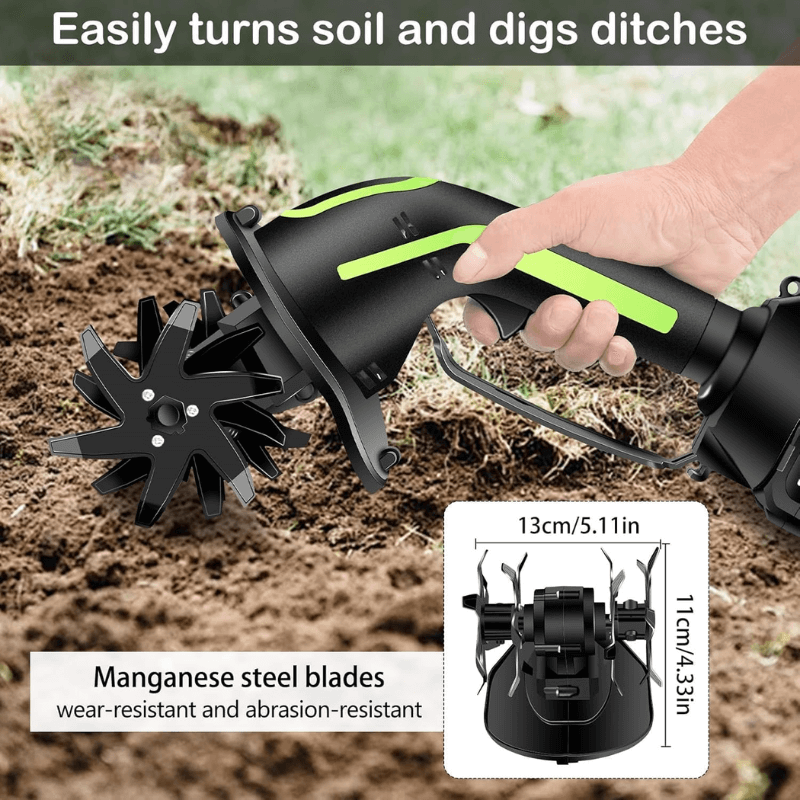
4PCS Tiller Replacement Blades for 2-IN-1 Cordless Tiller & Cultivator
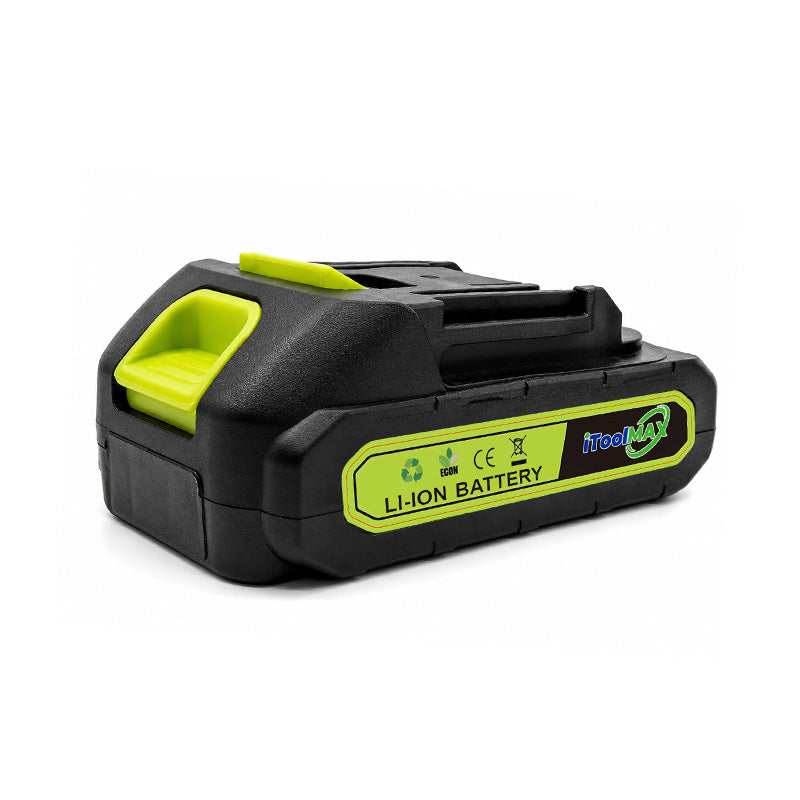
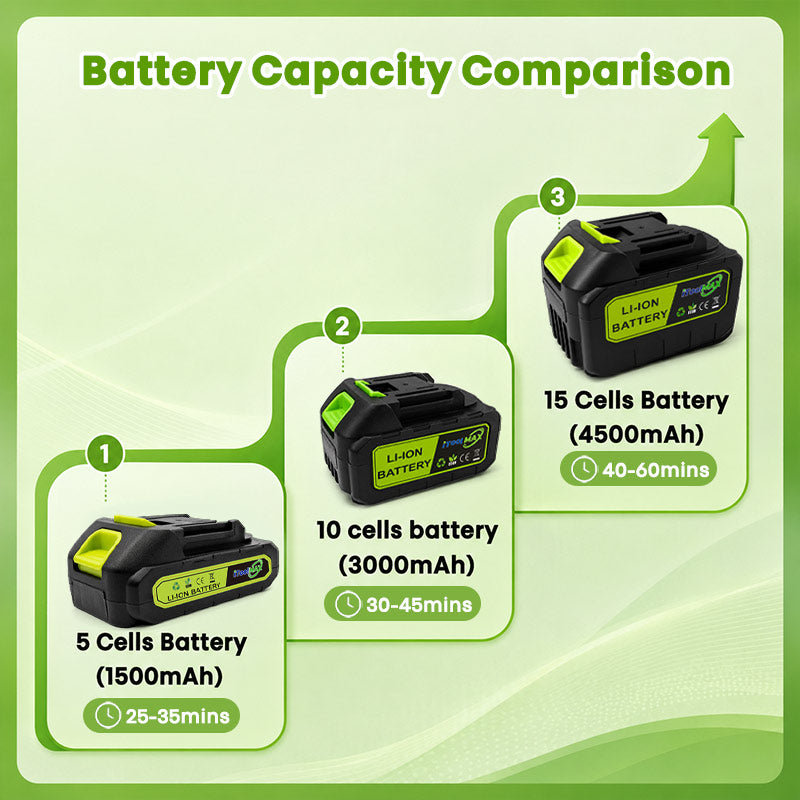
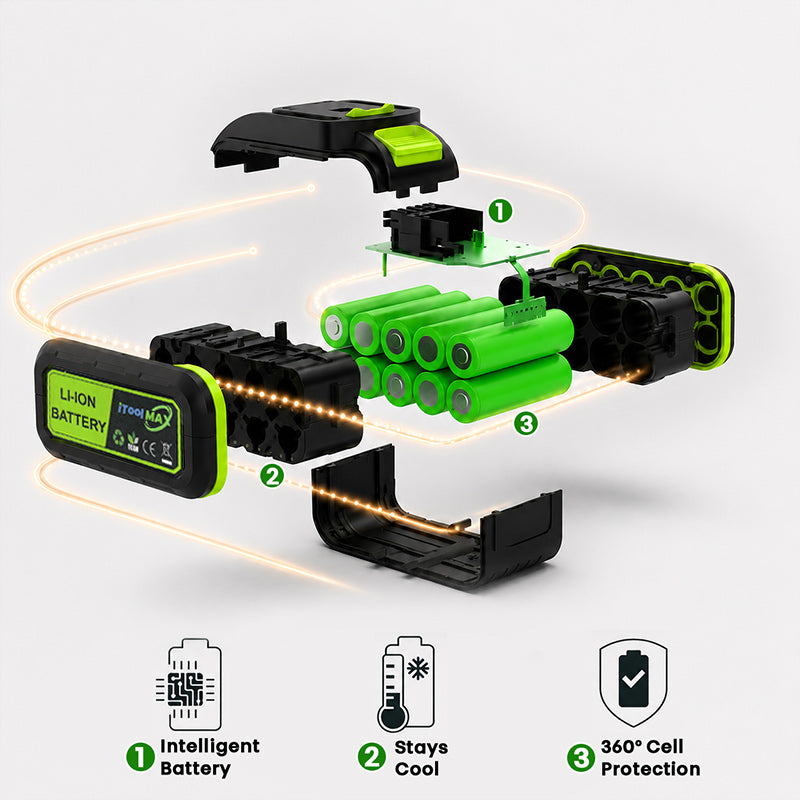
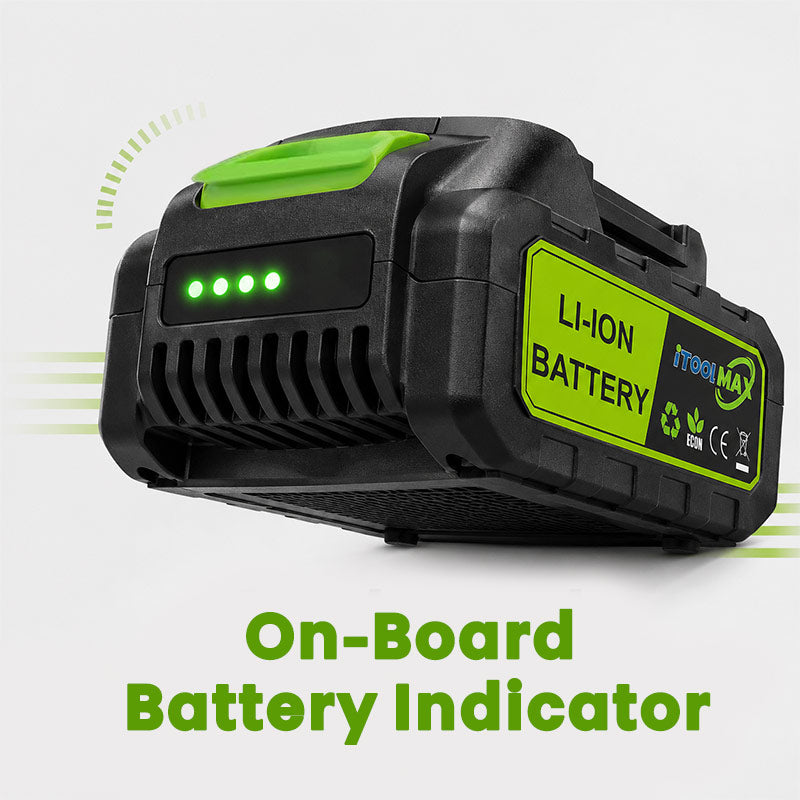
Universal Rechargeable Lithium Battery
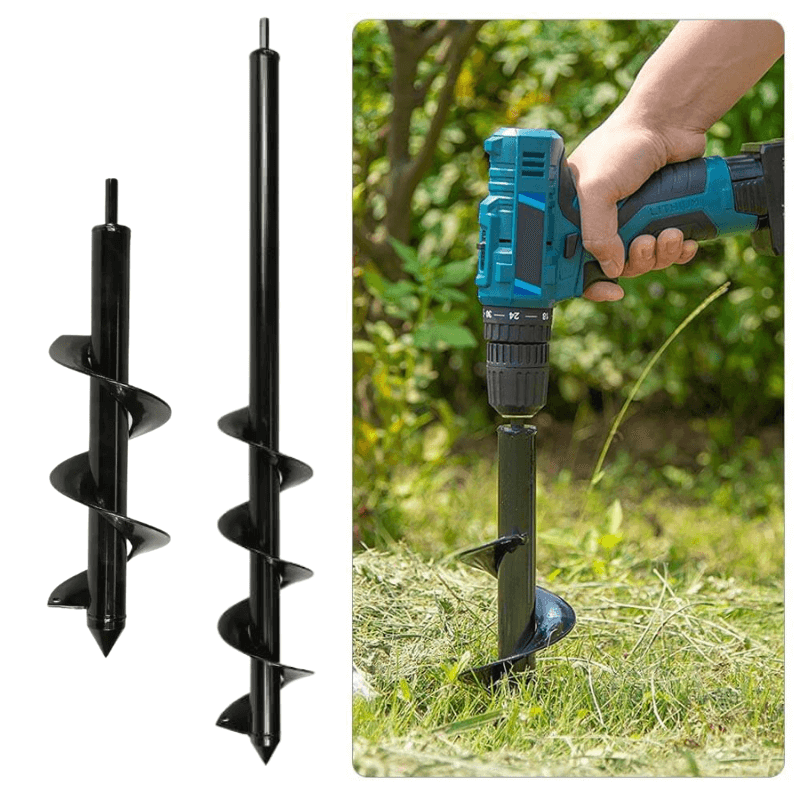
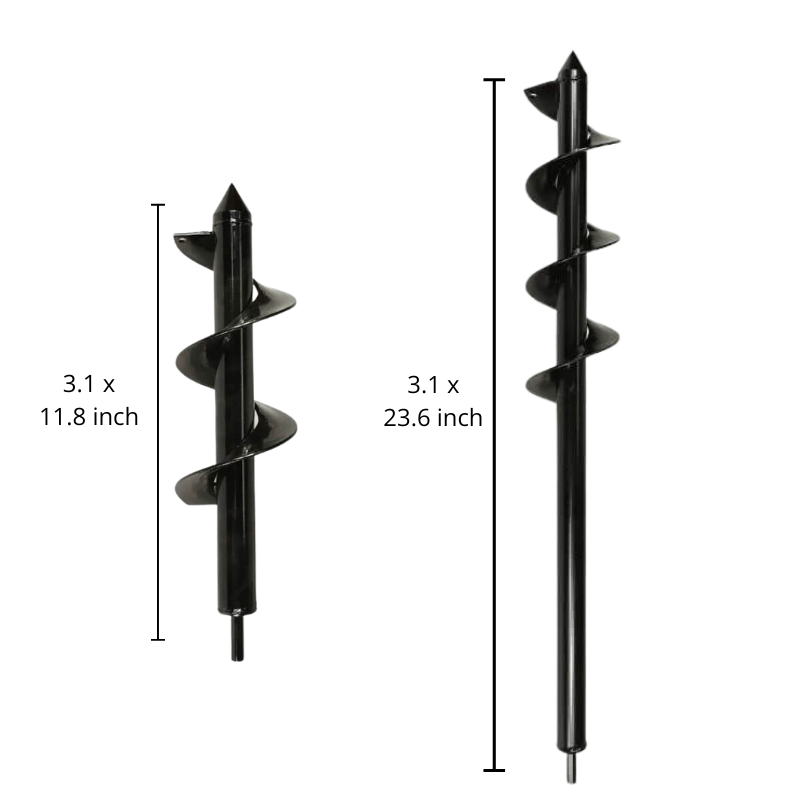
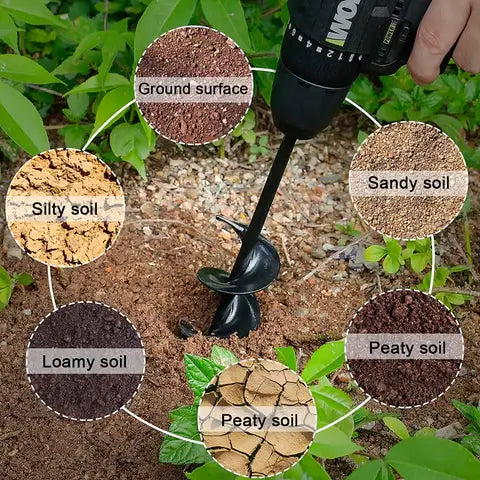
🔥 Best-Selling Tools


3 In 1 Cordless Grass Trimmer, Weed Eater and Edger
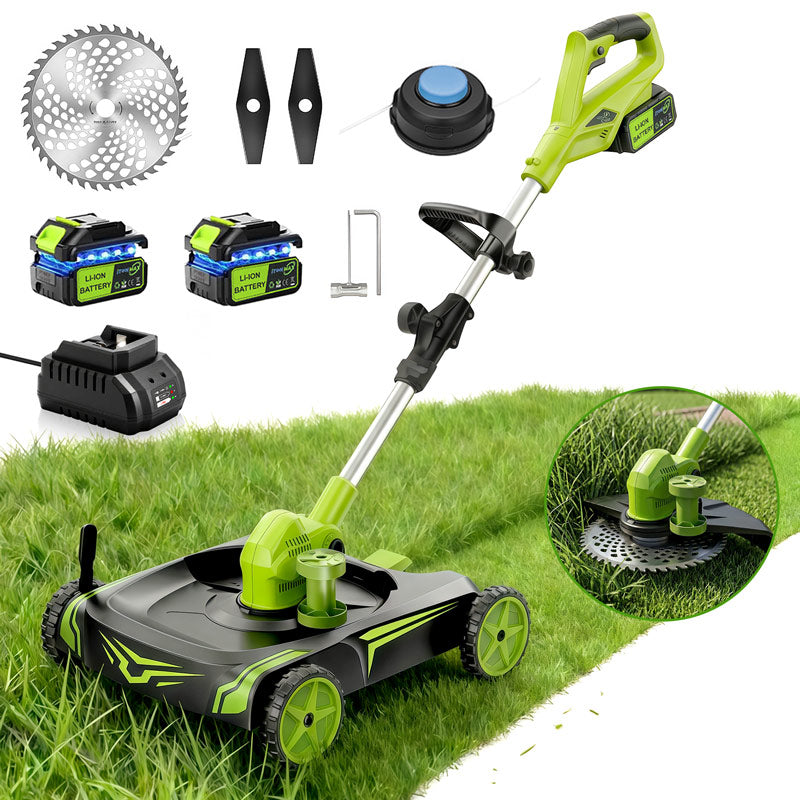
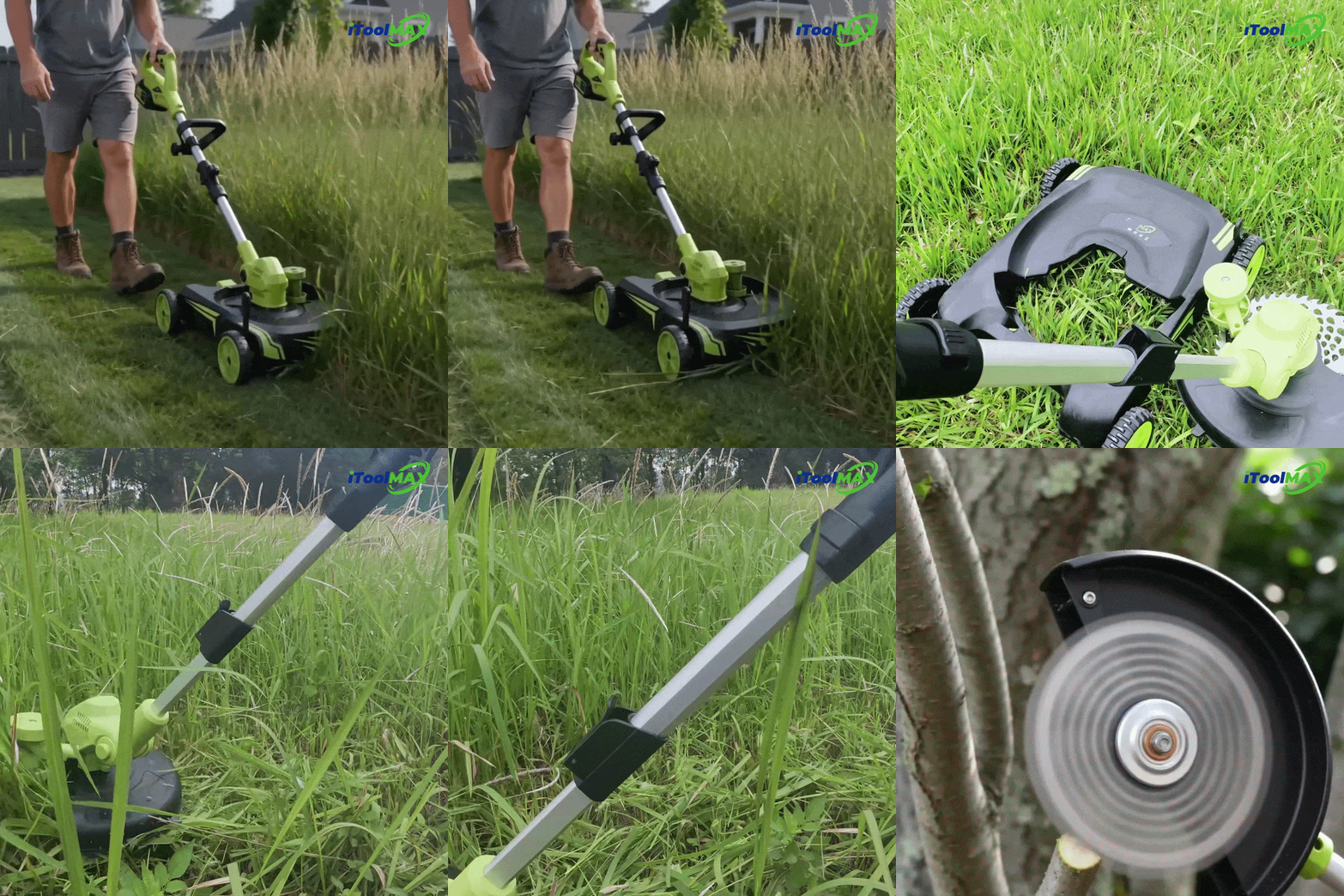
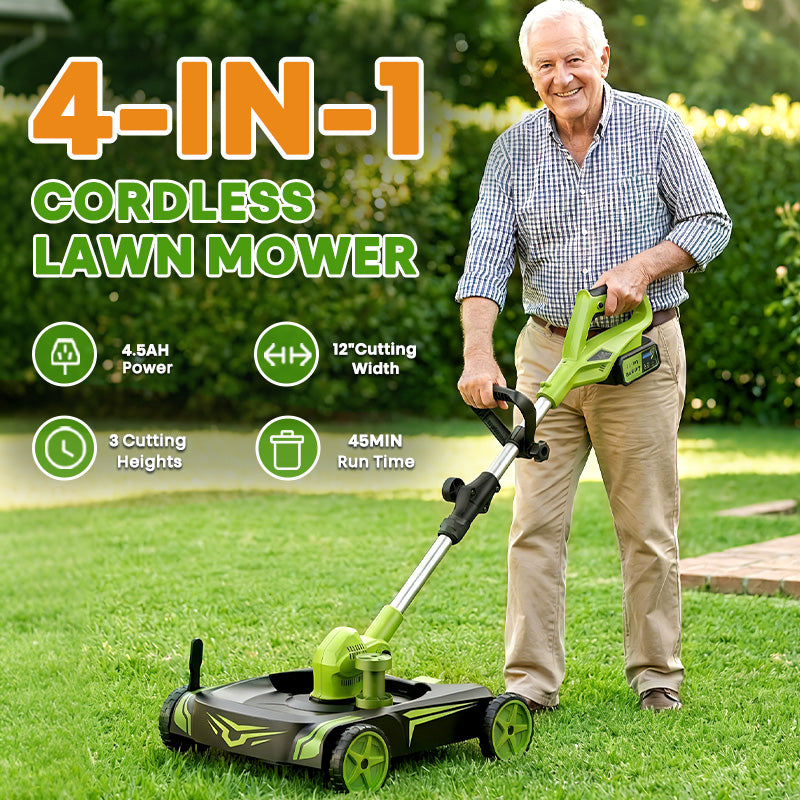
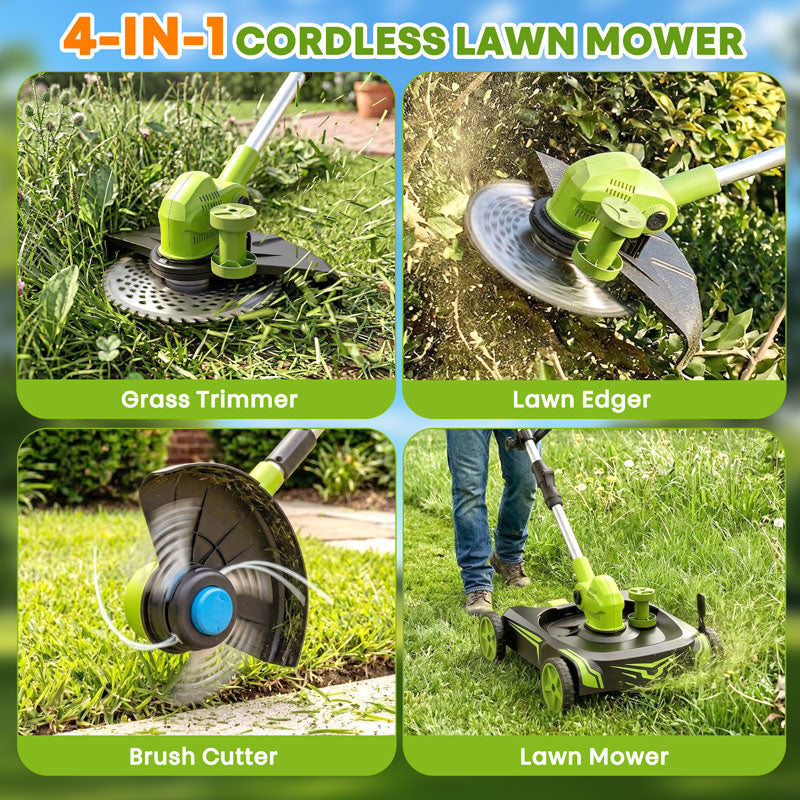
12-Inch Electric Weed Wacker & Eater with Detachable 4-Wheel Base

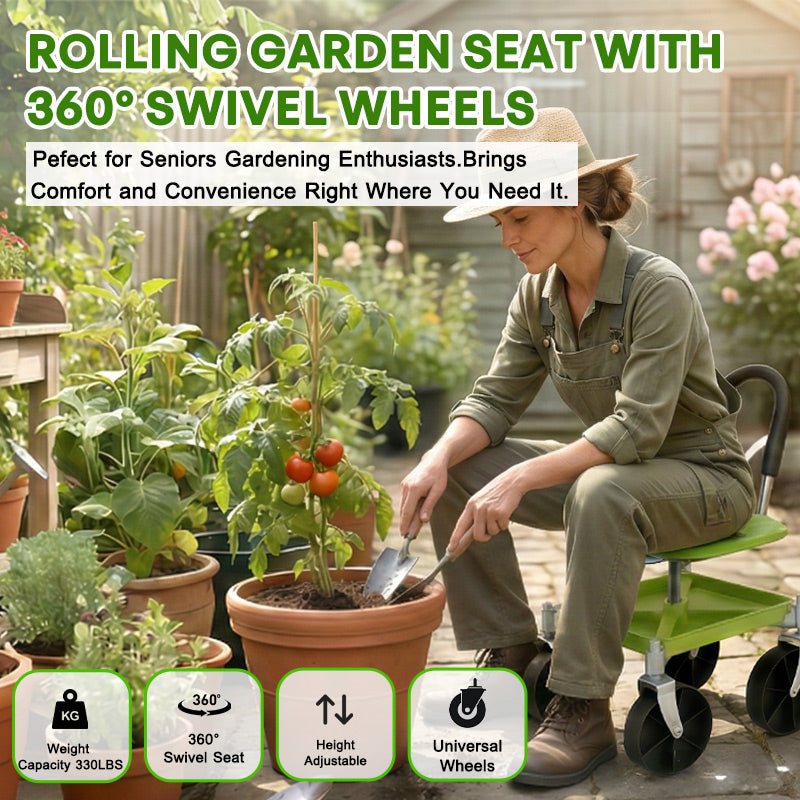
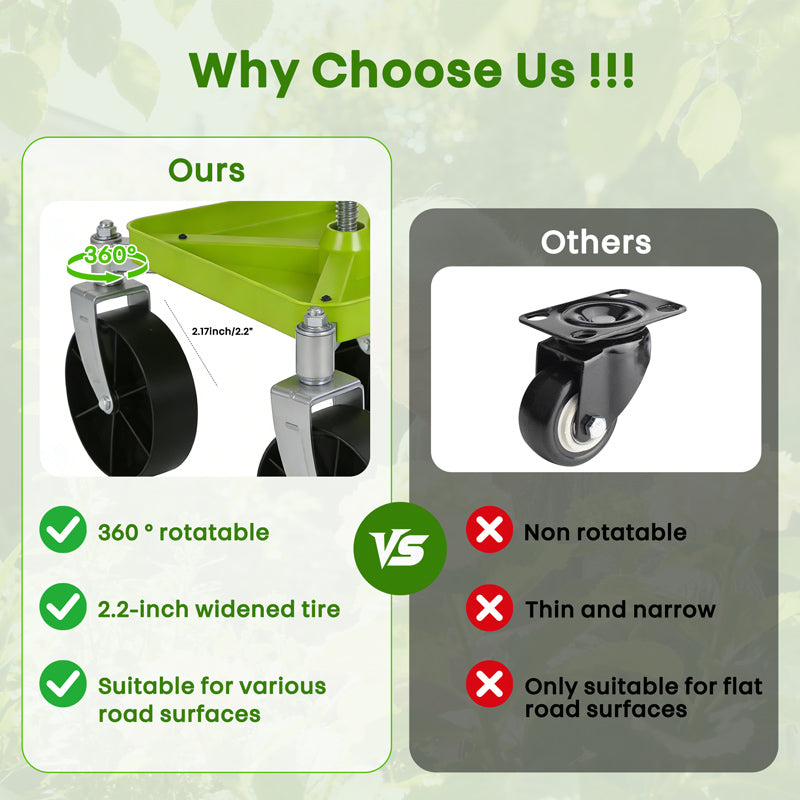
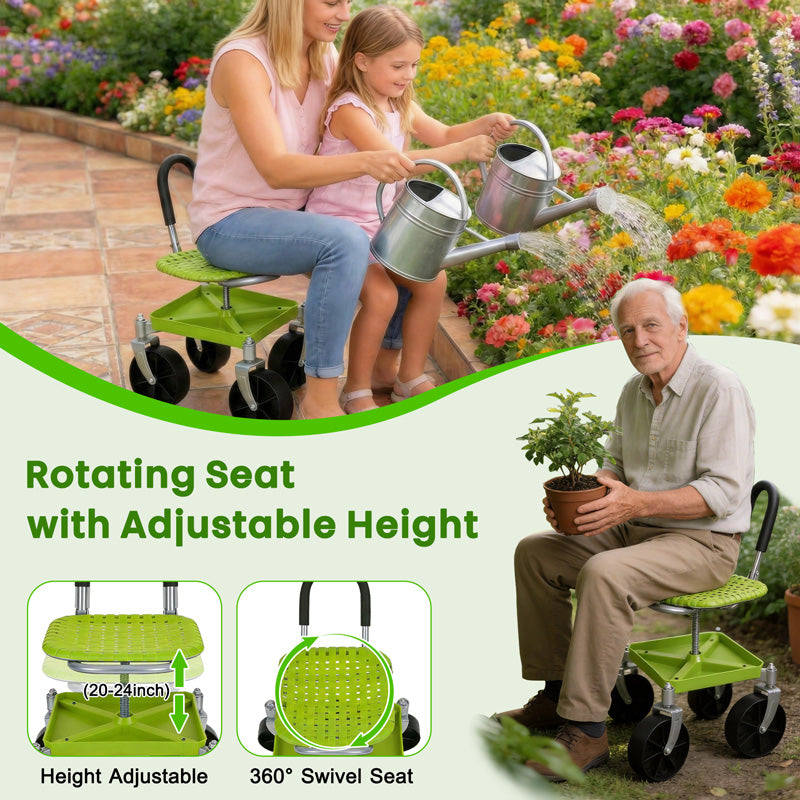
Garden Rolling Cart Seat with 360° Universal Wheels
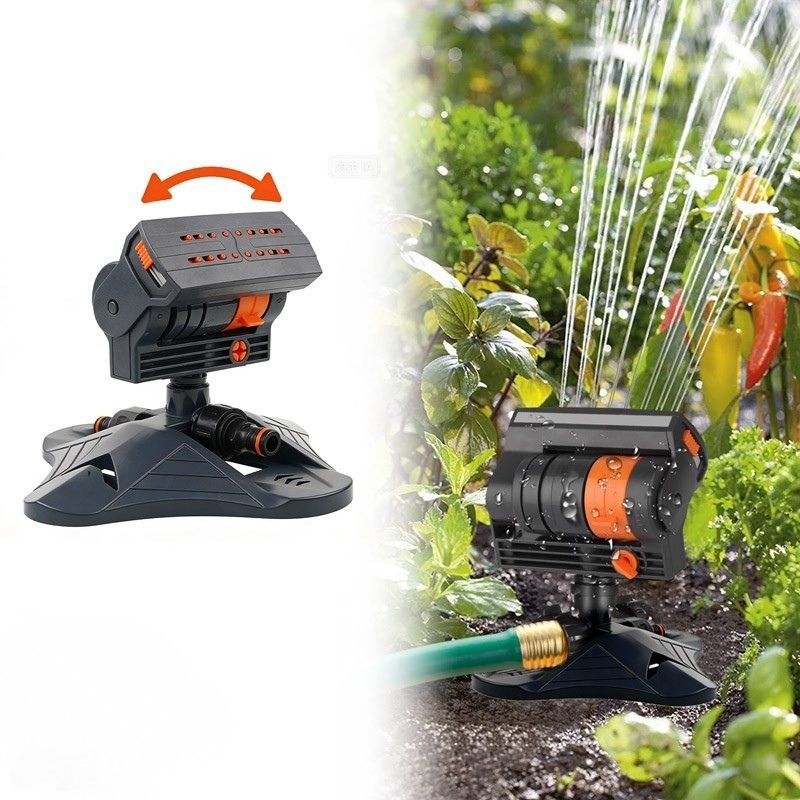
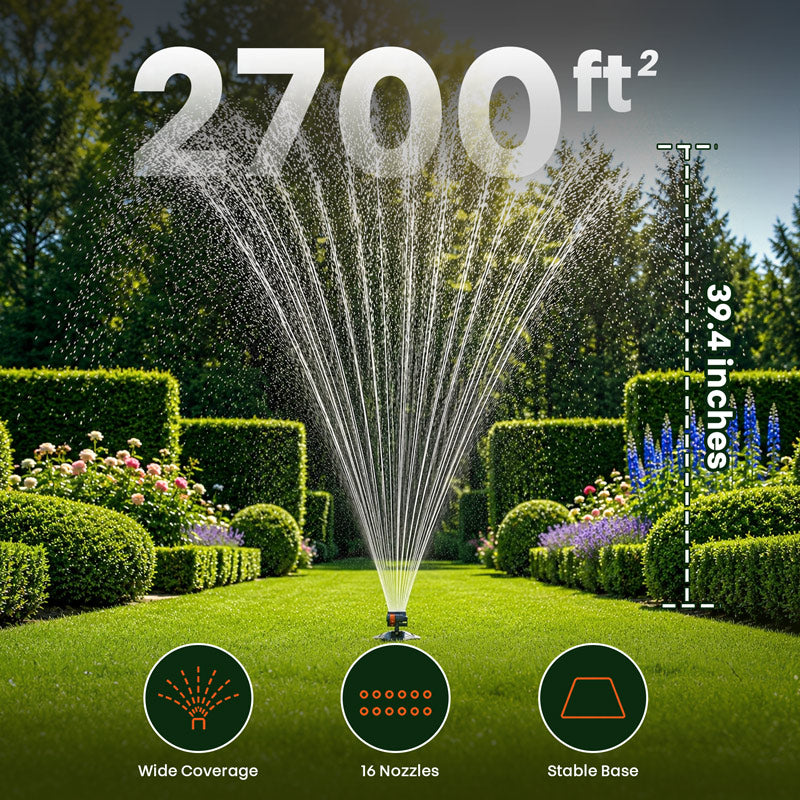
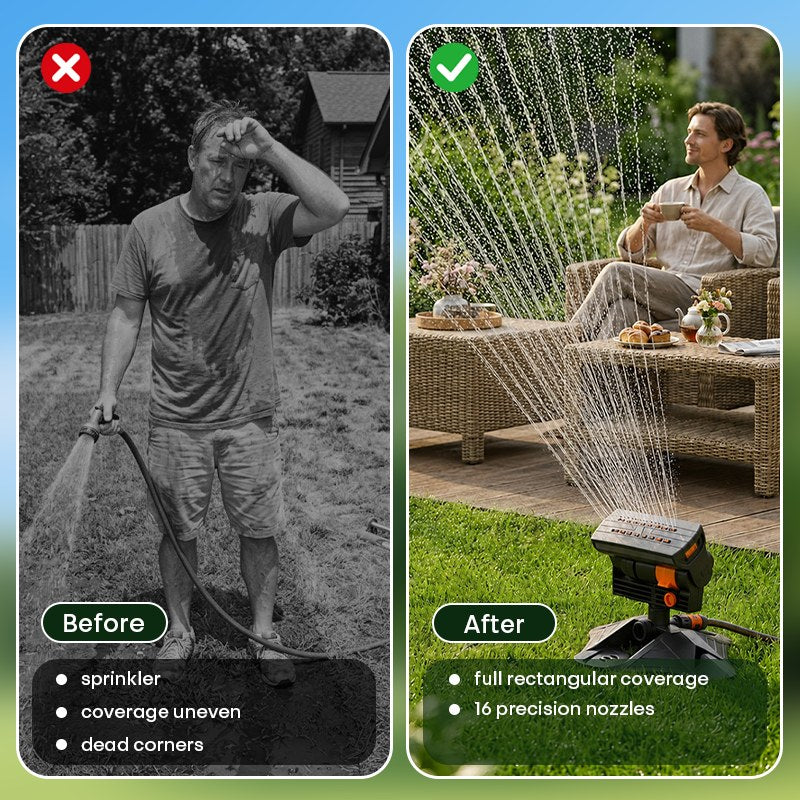

16-Nozzle Oscillating Sprinkler with 4 Adjustable Spray Modes


13-Spike Upgrade Lawn Aerator Shoes with Spring Base
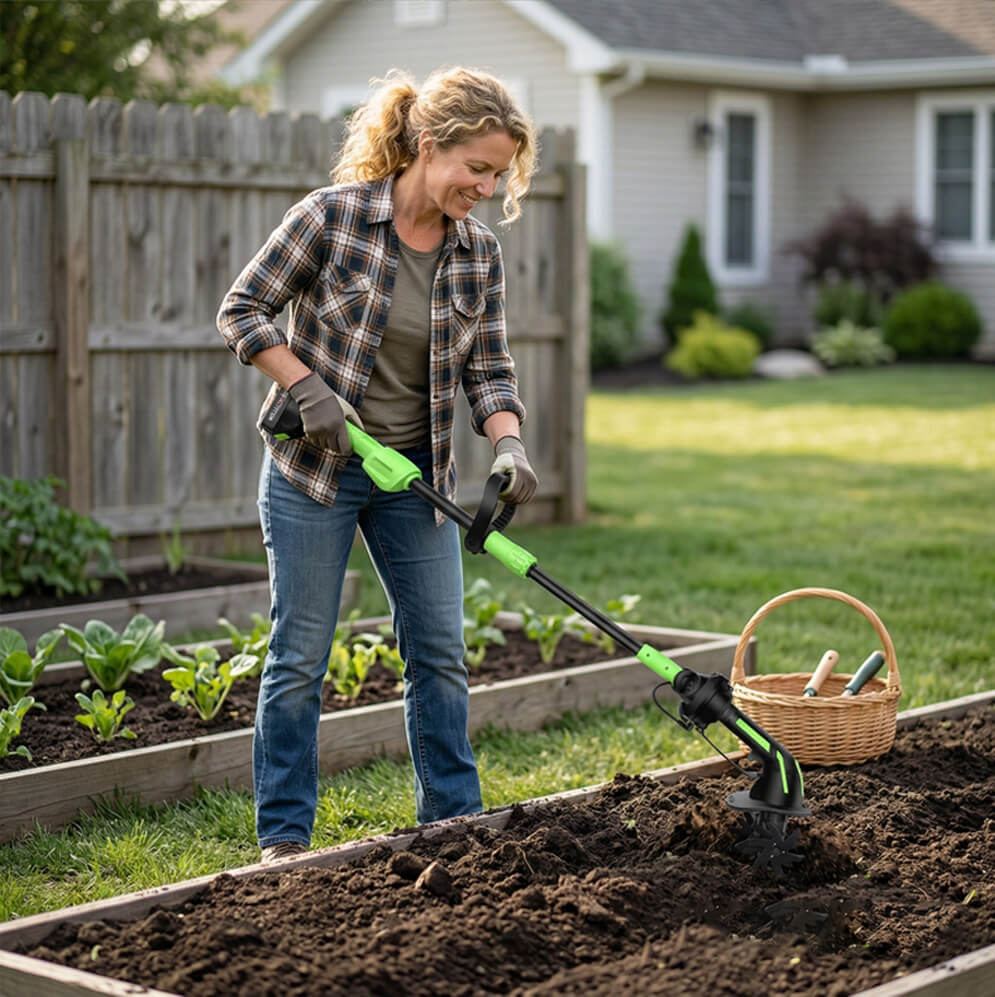
2-IN-1 Cordless Tiller & Cultivator with Extension Pole for All Yard Work
✅ Handheld + Telescopic Pole, One Machine for Multiple Uses
✅ 13"-51" Extendable Pole: Stand Upright, No Bending
✅ 2.6 lbs Ultralight Body—Operable with One Hand
Find the Best Battery Powered Tiller
235 RPM, 45+ mins
350 RPM, 60+ mins
250 RPM, 45+ mins
4" deep × 4" wide, 2.6 lbs
6.7" deep × 9" wide, 10.5 lbs
6.7" deep × 4" wide, 45+ mins
- Best for Indoor & Small Gardens
- Looking for planters or detailed work
- Prefer lightweight & one-handed operation
- Best for Daily Use & Medium-Sized Gardens
- Longer battery life without interruption
- More powerful engines for tilling or weeding
- Best Budget Pick
- Compact design and intuitive operation
- Ideal for both beginners and experienced gardeners
FAQ About Cordless Garden Cultivator Tiller
How often should you till?
For most home gardens, turning the soil 1 to 2 times a year is sufficient.
- Spring: Before planting vegetables or flowers, loosen any compacted soil.
- Fall: After harvesting, work in compost, mulch, or organic matter.
What is the difference between a tiller and cultivator?
A tiller is used for breaking hard ground and preparing new garden beds. It digs deeper into the soil and works best for large or compacted areas.
A cultivator is designed for maintaining existing gardens. It loosens topsoil, removes small weeds, and aerates soil around plants.
In short:
- Tiller = deep digging & soil preparation
- Cultivator = light weeding & garden maintenance
Many cordless garden tools today combine both tilling and cultivating functions for easier gardening.
Do they make a battery operated rototiller?
Yes—iToolMax offers battery-powered tillers designed specifically for home gardens, raised beds, and small farms, and unlike its competitors, it includes two batteries with every unit.
Is a cultivator or tiller better for weeds?
A tiller is equipped with specialized blades (Straight blade wheel) that can be used to remove light surface weeds and maintain existing flower beds. However, if you want to clear large areas of stubborn weeds, you should opt for a dedicated electric lawn mower.
What is the best cordless garden tiller?
The best cordless garden tiller depends on the size of your garden, soil conditions, and your battery life requirements. If you’d like to learn more, check out “3 Best Cordless Tillers for Your Small Garden.”
What size tiller for a small garden?
For small garden under 200 sq ft, a handheld or mini 2-IN-1 cordless tiller is usually enough.
For most home backyards, greenhouses, and standard vegetable gardens around 200–800 sq ft, a 21V cordless tiller, such as a 350RPM Cordless Tiller, is a better fit.
Learn more: 3 Best Cordless Tillers for Your Small Garden.
What are the disadvantages of a power tiller?
The main disadvantages of a power tiller are that smaller cordless models may not be suitable for large areas, deep tilling, heavy clay soil, or hard unbroken ground. Battery-powered tillers are lightweight and easy to use, but battery life may be limited for large gardens, and deeper spring tilling may require a more powerful 40V, corded, or gas-powered model.